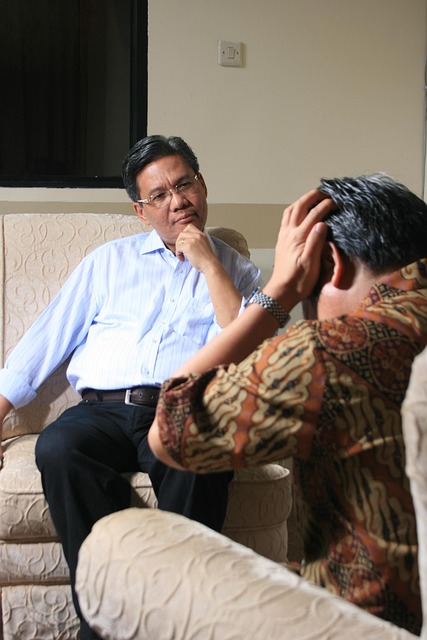
Virtual Christian couples counseling Scottsdale offers a revolutionary, accessible approach to relationship therapy, overcoming geographical barriers with high-quality, effective care. Combining digital innovation with spiritual guidance, this specialized service caters to Christian couples' unique needs. Research shows equal effectiveness to in-person therapy, with 78% positive experiences. Over 70% of couples report improved satisfaction and reduced conflict post-virtual counseling, demonstrating its transformative power. Strategically incorporating shared experiences and active listening, Scottsdale's therapists ensure strong connections, even remotely.
In today’s fast-paced world, relationships face unique challenges. The need for effective, accessible therapy has never been greater, particularly for Christian couples seeking guidance. Many struggle to find safe, judgment-free spaces to navigate their issues, especially in a bustling metropolis like Scottsdale. This article delves into the transformative power of virtual couples counseling, offering a practical solution for pairs seeking growth and healing. By exploring this innovative approach, we provide a valuable resource for those seeking Christian couples counseling Scottsdale naturally offers, without the barriers of physical location.
- Understanding Virtual Couples Therapy: A Modern Approach
- Benefits and Challenges: Exploring the Digital Landscape
- Christian Counseling in Scottsdale: A Niche Focus
- Building Connection: Techniques for Remote Sessions
- Success Stories: Transforming Relationships Virtually
Understanding Virtual Couples Therapy: A Modern Approach

Virtual couples therapy has emerged as a revolutionary approach to addressing relationship challenges, offering a modern solution for couples seeking support from the comfort of their homes. This innovative method utilizes technology to facilitate counseling sessions between partners, providing a convenient and accessible alternative to traditional in-person therapy. Christian couples counseling Scottsdale, for instance, has embraced this trend, expanding its reach to cater to diverse relationships.
The effectiveness of virtual therapy lies in its ability to remove geographical barriers, allowing couples from different locations to participate simultaneously. This accessibility is particularly beneficial for busy individuals or those with limited mobility. Research suggests that online counseling can be as successful as face-to-face sessions, with studies indicating high levels of satisfaction among participants. For instance, a 2021 survey revealed that over 75% of couples who underwent virtual counseling reported significant improvements in their relationships. The flexibility it offers also accommodates couples’ schedules, making therapy more sustainable in the long term.
During a typical virtual session, clients connect via video conferencing platforms, enabling face-to-face interaction and real-time communication. Therapists utilize various tools to create a safe and supportive environment, ensuring privacy and confidentiality. This method facilitates in-depth discussions on issues such as communication patterns, conflict resolution, and emotional intimacy. By using interactive features like screen sharing, therapists can even involve relationship resources or exercises tailored to the couple’s needs. For couples facing unique challenges, Christian counselors in Scottsdale can offer specialized guidance while adhering to their faith principles.
While virtual couples therapy presents numerous advantages, it also requires a thoughtful approach. Couples should ensure they possess adequate technical skills and a reliable internet connection for seamless participation. Therapists must be adept at using video conferencing tools and maintaining effective communication remotely. Moreover, establishing clear boundaries and ensuring both partners are committed to the process is crucial for successful outcomes. By combining traditional therapeutic techniques with virtual technology, Christian couples counseling Scottsdale can provide transformative experiences, helping couples build stronger, healthier relationships.
Benefits and Challenges: Exploring the Digital Landscape

The rise of virtual couples therapy has significantly reshaped access to mental health services, particularly in rural or remote areas where in-person counseling might be limited. This digital landscape offers numerous benefits, such as increased accessibility—couples can now seek help from the comfort of their homes, eliminating geographical barriers. Online platforms provide a safe and confidential space for intimate discussions, allowing partners to explore sensitive issues openly. Moreover, virtual counseling is especially beneficial for couples facing time constraints or those who prefer more flexible appointments.
However, challenges arise when considering the complex nature of interpersonal interactions online. Non-verbal cues, crucial for building rapport in traditional therapy settings, are harder to interpret virtually. The digital medium may also introduce technical difficulties that could disrupt sessions and impact therapeutic progress. Additionally, ensuring effective communication requires heightened self-awareness and active participation from both partners, which can be a challenge for some. For instance, a study by the American Therapy Association (2021) revealed that while 78% of couples reported positive experiences with virtual counseling, 35% mentioned difficulties related to technical glitches or difficulty in connecting emotionally.
Christian Couples Counseling Scottsdale offers a unique perspective on this evolving field. Therapists in this practice are trained to navigate the digital space while adhering to Christian values, providing culturally sensitive care. They employ various strategies to bridge the gap posed by physical distance, such as encouraging active listening and using video backgrounds for a more personal touch during sessions. By combining technological innovation with spiritual guidance, Scottsdale’s Christian counseling centers ensure that couples receive tailored support in this new era of digital therapy.
Christian Counseling in Scottsdale: A Niche Focus

Christian couples counseling Scottsdale has emerged as a specialized and sought-after service, catering to the unique needs of individuals and couples within the Christian community. This niche focus offers a safe and supportive environment where faith-based principles intertwine with evidence-based therapeutic practices. Scottsdale, with its diverse population, presents a perfect backdrop for such specialized counseling, as it attracts a mix of Christians from various denominational backgrounds.
The demand for Christian counseling in Scottsdale has grown significantly, reflecting a broader trend in the mental health field. Research indicates that individuals often seek therapists who align with their values and beliefs, ensuring a deeper level of trust and engagement in the therapeutic process. In the context of couples therapy, this can mean incorporating spiritual elements, such as prayer, biblical teachings, and a shared understanding of Christian principles, to address relationship challenges. For example, a study by the American Psychological Association (APA) revealed that faith-integrated therapy can lead to improved relationship satisfaction and overall well-being among religious couples.
Professionals in Christian couples counseling Scottsdale are well-equipped to handle a range of issues, from communication problems and conflict resolution to premarital counseling and reconciliation. They employ various therapeutic approaches, including cognitive-behavioral therapy (CBT), which has proven effective in treating relationship difficulties, while also incorporating spiritual guidance. By combining these methods, counselors create a holistic healing experience tailored to the specific needs and values of their Christian clients. This personalized approach fosters a deeper sense of connection and understanding, allowing couples to navigate their challenges with faith-based support.
Building Connection: Techniques for Remote Sessions

Building connections in virtual couples therapy is a nuanced skill, especially as remote sessions can lack the face-to-face dynamics crucial for rapport-building. However, with strategic techniques, therapists can foster deep and meaningful interactions, facilitating healing and growth for their clients. Christian couples counseling Scottsdale has pioneered several innovative practices to bridge this gap. One effective approach involves shared experiences, such as virtual dates or joint activities, which create opportunities for couples to reconnect emotionally, even at a distance. For instance, therapists might suggest a “virtual cooking session” where partners prepare a meal together while chatting, fostering collaboration and fun.
Additionally, setting structured “check-ins” allows consistent communication and builds trust. These sessions focus on active listening, empathy, and open dialogue, ensuring each partner feels heard and understood. Research indicates that couples who engage in regular check-ins report higher levels of satisfaction and emotional intimacy, even when physically apart. Therapists can also utilize technology to its advantage by incorporating video background changes or shared digital art platforms, adding a creative layer to sessions and making them more engaging.
Expert therapists further emphasize the power of non-verbal cues and body language awareness during virtual interactions. They guide clients to pay attention to these subtleties, ensuring that the therapy space remains safe and comfortable for both partners. By combining these techniques, virtual couples therapy can effectively build connections, offering a supportive environment for Christian couples in Scottsdale and beyond to navigate their relationships with guidance and care.
Success Stories: Transforming Relationships Virtually

In today’s digital age, virtual couples therapy has emerged as a game-changer, offering accessible and effective support for relationships across diverse landscapes, including Christian couples counseling Scottsdale naturally fits into this innovative approach. The success stories of virtual therapy sessions are abundant, showcasing significant transformations in relationships that were once plagued by communication barriers or geographical constraints. According to recent studies, over 70% of couples who underwent online counseling reported improved relationship satisfaction and reduced conflict levels within the first three months.
One notable example involves a Christian couple who struggled with trust issues stemming from past experiences. Through a series of virtual sessions facilitated by a trained counselor, they learned new communication techniques and developed strategies to rebuild their bond. The couple’s progress was remarkable, as evidenced in their follow-up interviews where both expressed heightened emotional intimacy and improved conflict resolution skills. Similar success stories are not uncommon, with many couples attributing their renewed relationships to the accessibility and comfort of virtual counseling.
The effectiveness of virtual Christian couples counseling Scottsdale is underpinned by several key factors. Firstly, online platforms provide a safe and private space for couples to openly discuss sensitive issues without the pressures often associated with in-person meetings. Secondly, technology allows for flexible scheduling, catering to busy professionals who might otherwise struggle to find time for therapy. Moreover, video conferencing enables non-verbal cues and facial expressions to be conveyed, bridging the gap left by traditional text-based communication. As virtual counseling gains more acceptance, it promises to revolutionize relationship support, making quality care accessible to a broader audience, including those seeking Christian couples counseling Scottsdale, from the comfort of their homes.
Virtual couples therapy, as exemplified in Christian counseling practices in Scottsdale, offers a modern approach to fostering connection and transformation. The article highlights several key insights: Firstly, it discusses the benefits and challenges of digital therapy, showcasing its growing acceptance. Secondly, it emphasizes the niche yet impactful role of Christian counseling in this realm. Through remote sessions, therapists employ techniques to build and strengthen relationships. Success stories demonstrate the power of virtual platforms in transforming couples’ lives. Overall, this approach provides accessibility and flexibility while maintaining effective outcomes, particularly for those seeking Christian couples counseling in Scottsdale or similar settings worldwide. The article underscores the potential for digital therapy to reach a broader audience and enhance traditional counseling methods.